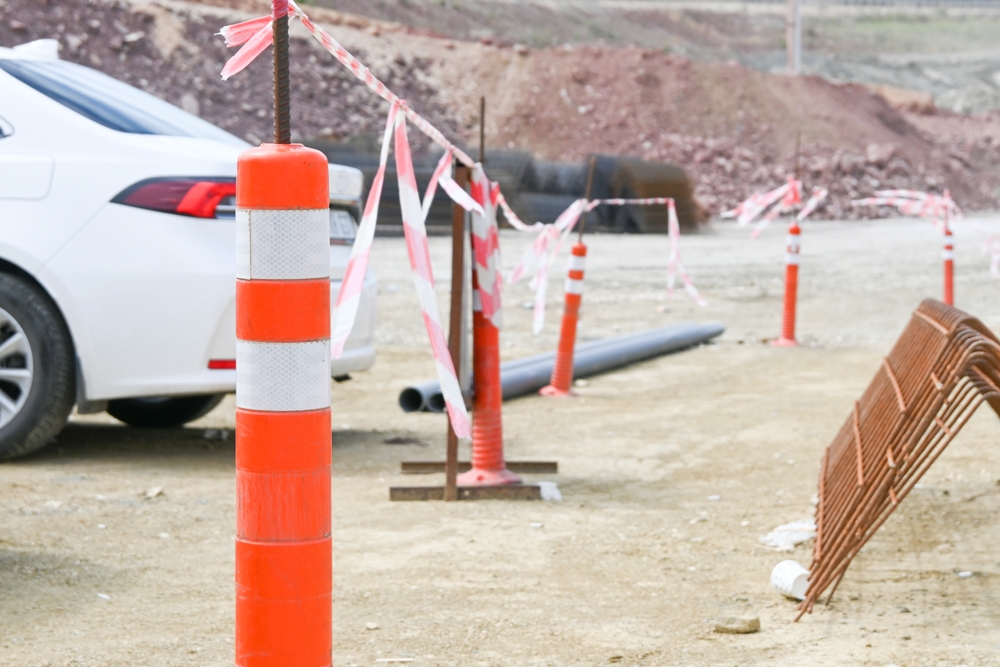
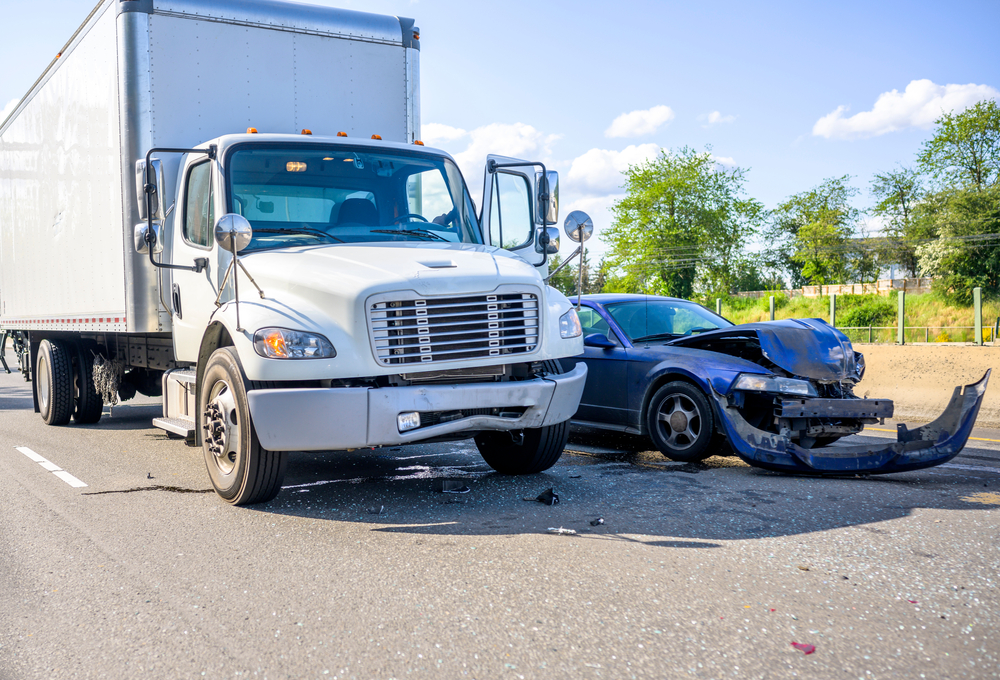
Each spring, West Virginia’s Eastern Panhandle sees more orange cones, lane shifts, and reduced-speed corridors than at any other time of year. Warmer weather pushes much of the state’s paving, bridge work, and shoulder repair into the April–June window, just as commuter traffic on I-81, US-340, and WV-9 starts climbing again.
This article explains what West Virginia law says about work-zone crashes, who may be liable, and what evidence usually decides these claims. If you were injured in a construction-zone crash, a Martinsburg personal injury lawyer can review whether the fault falls on another driver, a contractor, a public agency, or more than one party.
Why Spring Shifts the Work-Zone Crash Picture in the Eastern Panhandle
Spring is West Virginia’s heaviest construction season, which puts more traffic-control changes onto Eastern Panhandle roads just as travel volume rises.
Nationally, the FHWA recorded 850 work-zone fatalities in 2024, down from 905 in 2023, with 673 involving drivers or passengers and 177 involving pedestrians.
Rear-end collisions account for roughly 41% of all work-zone crashes, according to FHWA data, making them the most common type. Lane closures themselves sharply raise crash rates.
An active lane-closure zone typically runs a meaningfully higher crash rate than the same roadway in normal operation.

Who Can Be Liable When a West Virginia Work Zone Causes a Crash
Work-zone crashes in West Virginia can involve four different types of responsible parties, depending on what went wrong.
- The at-fault driver. The most common scenario is a driver speeding, following too closely, being distracted, or failing to adjust for a lane shift.
- The contractor or subcontractor. When signage was inadequate, traffic control was poorly set up, or equipment was left in an active lane.
- A government entity. The WVDOH for state highways, or a county or city for local roads, when project oversight or design choices are involved.
- An equipment manufacturer. Rare, but applies when a sign, barrier, or other device fails due to a defect.
West Virginia’s modified comparative fault framework allocates damages in proportion to each party’s share of fault. In a work-zone case, that often means the driver, the contractor, and sometimes the state each carry part of the responsibility, which is one reason these claims rarely resolve quickly.
What West Virginia Law Says About Work-Zone Violations
West Virginia law gives construction-zone restrictions extra weight when the area is properly marked.
Under W. Va. Code §17C-3-4b, a driver who speeds or ignores posted traffic restrictions in a construction zone can face enhanced penalties.
The statute separates violations into two levels:
“(b) Any person who exceeds any posted speed restriction or traffic restriction at a construction site … by less than fifteen miles per hour is guilty of a misdemeanor and, upon conviction thereof, shall be fined not more than $200.
(c) Any person who exceeds any posted speed restriction or traffic restriction at a construction site … by fifteen miles per hour or more is guilty of a misdemeanor and, upon conviction thereof, shall be fined not more than $200 or confined in a regional jail not more than twenty days, or both.”
— W. Va. Code §17C-3-4b
The signs matter. Enhanced penalties apply only when the construction zone is properly posted. If signs were missing, blocked, or unclear, a cited driver may challenge the ticket. The same issue can also matter in an injury claim.
Poor signage may raise questions about whether the contractor or road crew followed proper traffic-control standards.
A criminal citation does not replace a civil claim. It can, however, become useful evidence. If a driver was cited or convicted for violating a posted work-zone restriction, that record may support a negligence argument in the injury case that follows.
What a Work-Zone Crash Claim Often Turns On
Work-zone crash claims usually rise or fall on documentation from the scene and records created by the contractor and WVDOH.
Key evidence anchors include:
- The police report and any work-zone traffic citations issued
- Photographs or video of the signage, lane shifts, cones, and barrels at the time of the crash
- The contractor’s approved traffic-control plan for the specific work
- WVDOH project files and correspondence about the work’s scope and schedule
- Dashcam footage or Event Data Recorder (EDR) data from involved vehicles
Early preservation matters because contractor configurations change almost daily. A sign setup or lane taper that existed at 7 a.m. may be gone by 5 p.m. that same day. Photographing the scene within hours of the crash, not days later, protects the claim.

Work-Zone Claim Factors at a Glance
|
Question to answer
|
Who it points to |
First-week action
|
| Were signs missing or unclear? |
Contractor / state agency |
Photograph scene, obtain project records |
| Did the traffic-control plan match what was on the road? |
Contractor |
Request the approved plan in discovery |
| Was another driver more than 15 mph over the posted limit? |
At-fault driver (§17C-3-4b) |
Get the police report and any citation |
| Was another driver less than 15 mph over? |
At-fault driver (§17C-3-4b) |
Still a misdemeanor; document it |
| Was contractor equipment in an active lane? |
Contractor |
Photograph immediately; note placement |
| Did symptoms appear days later? |
Claimant |
See a doctor, document timing |
FAQ
What if the work-zone signs were missing or unclear?
Missing or unclear signage cuts both ways. A driver cited for speeding may have a defense if the posted restriction wasn’t visible. A crash victim can point to signage gaps as evidence that the contractor failed to meet the traffic-control standard. Photographs of the scene at the time of the crash often make the difference between a strong and a weak case.
What if I were driving 10 mph over the posted speed limit in a work zone?
Under §17C-3-4b(b), speeding by less than 15 mph over a work-zone restriction is a misdemeanor with a fine of up to $200. The citation doesn’t bar a civil claim if another party also contributed, but it will be treated as evidence of comparative fault, reducing recovery in proportion to your share.
What if a contractor left equipment in an active lane overnight?
That is a common basis for contractor liability. Contractors are responsible for traffic-control setup at the end of the shift, which usually includes removing or clearly marking equipment. If equipment was left in a lane without warning and caused the crash, the contractor can be named as a party, along with any at-fault driver.
How long do I have to file a West Virginia work-zone crash claim?
Two years from the crash date under W. Va. Code §55-2-12 for most personal injury claims, including work zones. Claims against a West Virginia government entity run through separate notice procedures with their own deadlines, which is one reason talking with an attorney early matters.
Does spring timing actually change anything, or is this evergreen?
Spring raises the practical risk because that is when the most work zones are active on Eastern Panhandle roads. The legal framework itself, including §17C-3-4b, the comparative fault rules, and the liability taxonomy, applies year-round. Spring just means more potential exposure and more claims to sort.
Conclusion
Spring in West Virginia means more work zones, more lane shifts, and more chances for a crash to involve not just another driver but a contractor, a state agency, or multiple parties at once. §17C-3-4b’s enhanced penalties sit on top of that picture. Knowing who is liable and what the claim will turn on is what changes outcomes.
If you were in a crash in or near a West Virginia work zone this spring and are now sorting through medical bills, insurance adjusters, and questions about which party is responsible, the attorneys at Manchin Injury Law Group have worked on work-zone and construction-related crash claims for more than four decades.
The firm reviews what your claim may be worth, which parties may be liable, and what documentation needs to be preserved before the scene changes. Consultations are free.
Sources