After a drunk driving crash, many people focus only on the driver who caused the harm. In some cases, a bar or restaurant may also share responsibility. West Virginia law allows injured people and families to explore this possibility under certain circumstances.
This article explains when a bar or restaurant may be held accountable after a drunk-driving crash in West Virginia, how these claims work, and which facts matter most. If you are trying to understand whether alcohol service may have played a role in your situation, speaking with a West Virginia Dram Shop Liability Attorney can help clarify how state law applies to bars, restaurants, and third-party liability.
West Virginia does not have a traditional dram shop statute like some other states. That doesn’t mean bars and restaurants are automatically immune from liability. Instead, these cases are evaluated under general negligence and third-party liability principles.
A bar or restaurant that serves alcohol has a duty to act reasonably.
If its actions create a foreseeable risk of harm, civil liability may follow. This is separate from any criminal DUI case against the driver and focuses on whether alcohol service played a meaningful role in causing the crash.
Courts examine the facts closely. Liability is never assumed simply because alcohol was served.
A bar or restaurant may face liability when its actions go beyond standard alcohol service and create a foreseeable risk of harm. These cases focus on whether alcohol was served in a way that increased the danger to others on the road.
Liability may arise in situations such as:
Liability depends on what the staff knew or should have known at the time alcohol was served. Each case is evaluated based on its specific facts.
“Serving alcohol to a visibly intoxicated person or a minor can expose establishments to civil liability if that conduct contributes to a drunk driving crash.”
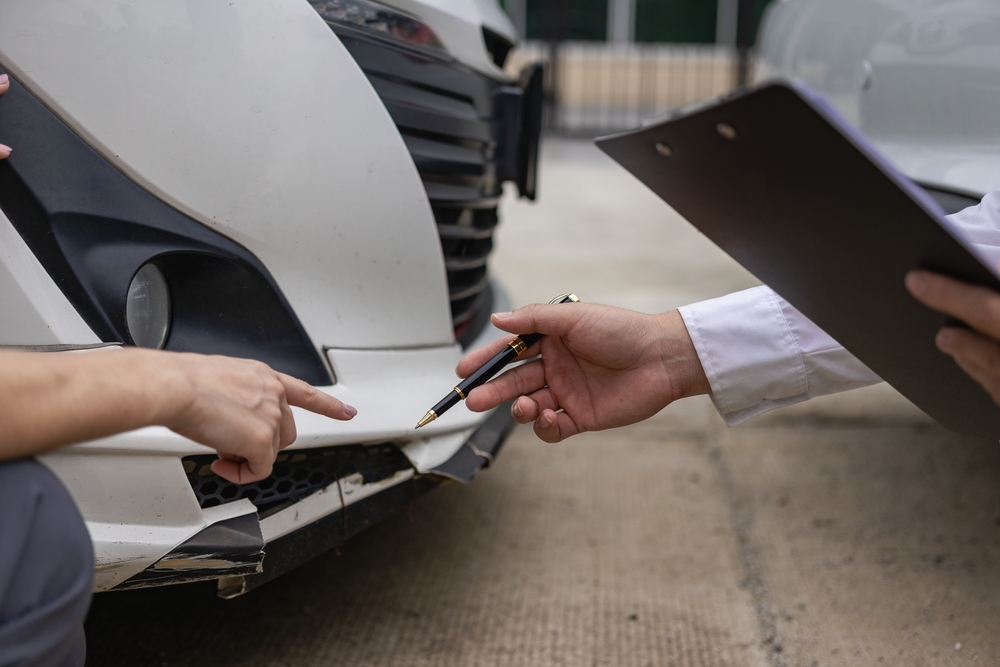
Claims involving bar or restaurant liability require proof of specific legal elements. The focus is on whether the alcohol service contributed to a foreseeable risk that led to a drunk driving crash.
To establish liability, the injured party must generally show:
Evidence is often critical. Surveillance video may show visible intoxication. Receipts and bar tabs help establish the timing and quantity of alcohol served. Witness statements and toxicology reports can further clarify impairment and causation.
These cases are not judged in hindsight. Courts assess what was known or should have been known at the time of service.
West Virginia follows a modified comparative fault rule. Responsibility may be shared among the drunk driver, the bar or restaurant, and others. Compensation may be reduced if a party is partially at fault, but claims are not automatically barred.
This is important in alcohol service negligence cases. Even if the driver bears most of the blame, a bar’s conduct may still matter if it played a role in the chain of events.
More information about comparative fault principles can be found through the West Virginia Legislature.
Alcohol-related crashes may lead to personal injury claims or wrongful death claims, depending on the outcome. Injury claims focus on medical expenses, lost income, and long-term physical effects.
Wrongful death claims are brought by surviving family members and address losses such as funeral costs and loss of companionship.
Wrongful death cases often receive heightened scrutiny because the stakes are higher and damages can be significant. Establishing a clear link between alcohol service and the fatal crash is especially important.
Strict deadlines apply to these claims. West Virginia law sets time limits for filing, and missing them can prevent a case from proceeding.
Practical steps include preserving evidence early, documenting injuries, and avoiding statements that could be misunderstood later. Because alcohol-related crashes often involve multiple defendants, early legal evaluation can help clarify whether third-party liability is worth pursuing.
If questions come up about deadlines, evidence, or whether a bar or restaurant could share responsibility, speaking with a West Virginia Drunk Driving Accident Lawyer can help clarify how these issues apply to your specific situation.
|
Scenario |
Potential Liability |
Key Evidence |
| Overserved visible intoxication | Yes | Witnesses, video, receipts |
| Served alcohol to a minor | Yes | ID records, staff testimony |
| Patron left visibly impaired | Possible | Timeline, surveillance |
| No visible intoxication | Unlikely | Toxicology timing |
This comparison shows why facts matter more than assumptions in dram shop liability cases in West Virginia.
Yes. Claims may still be brought under negligence and third-party liability principles when alcohol service contributed to a foreseeable drunk driving crash.
No. Civil claims are separate from criminal DUI cases and do not depend on a criminal conviction.
Courts examine whether staff knew or should have known based on visible signs and circumstances at the time of service.
Yes. Eligible family members may pursue wrongful death claims when alcohol service contributed to a fatal crash.
Suing a bar or restaurant after a drunk driving crash in West Virginia may be possible even without a traditional dram shop statute. These cases depend on careful review of alcohol service, foreseeability, evidence, and West Virginia’s negligence and comparative fault rules.
Manchin Injury Law Group works with individuals and families across West Virginia, including Fairmont, on injury claims involving drunk driving and potential third-party liability.
Determining whether alcohol service played a role usually requires a fact-specific legal review. If you have questions about your situation, a free consultation can help you better understand how West Virginia law may apply and what options may be available based on your circumstances.
Member at Manchin Injury Law Group
Practice Area: Personal Injury
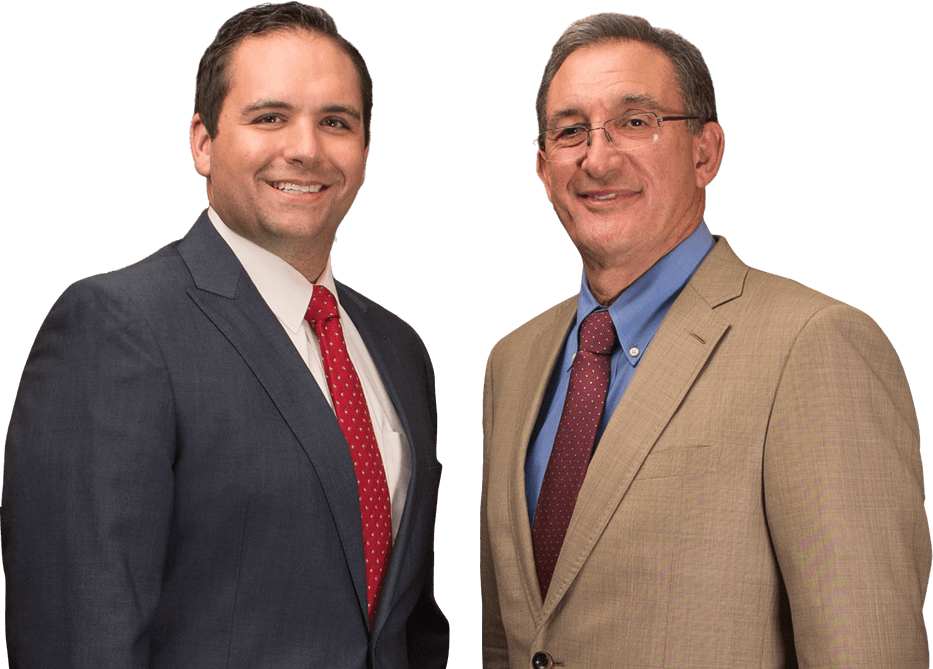
Attorney Timothy Manchin established the Manchin Injury Law Group in 2011 after his law partner of more than 25 years became a West Virginia circuit court judge. His focus is on helping individual clients and entire families victimized by negligent acts.
We offer free initial consultations at our 3 office locations conveniently located in Fairmont, Morgantown and Martinsburg.
If you are unable to visit our firm, we can come to your home or hospital room.
Fill out the form below to get in touch!