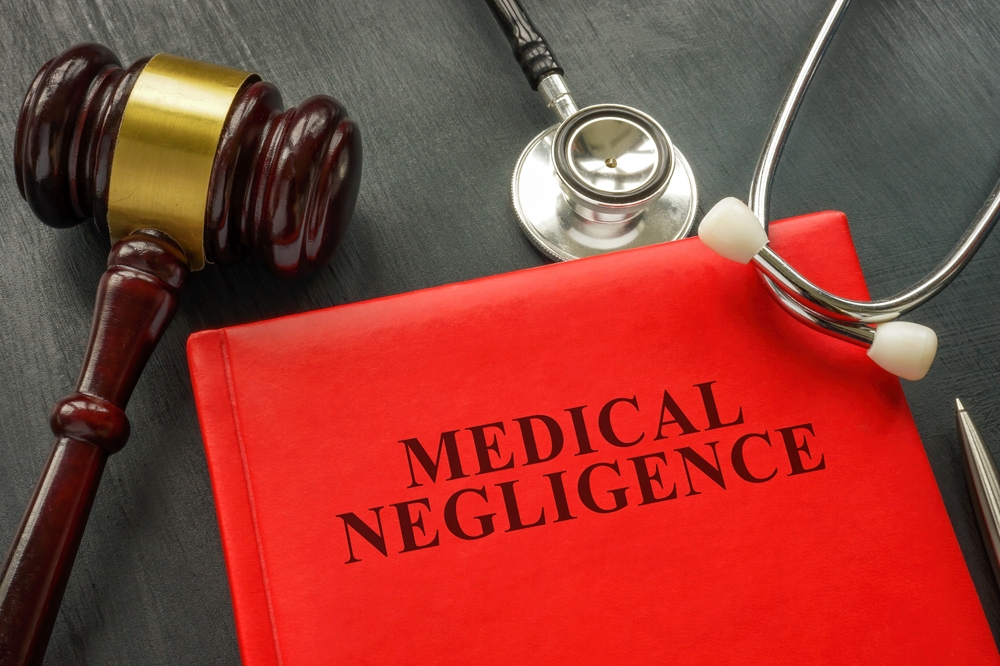
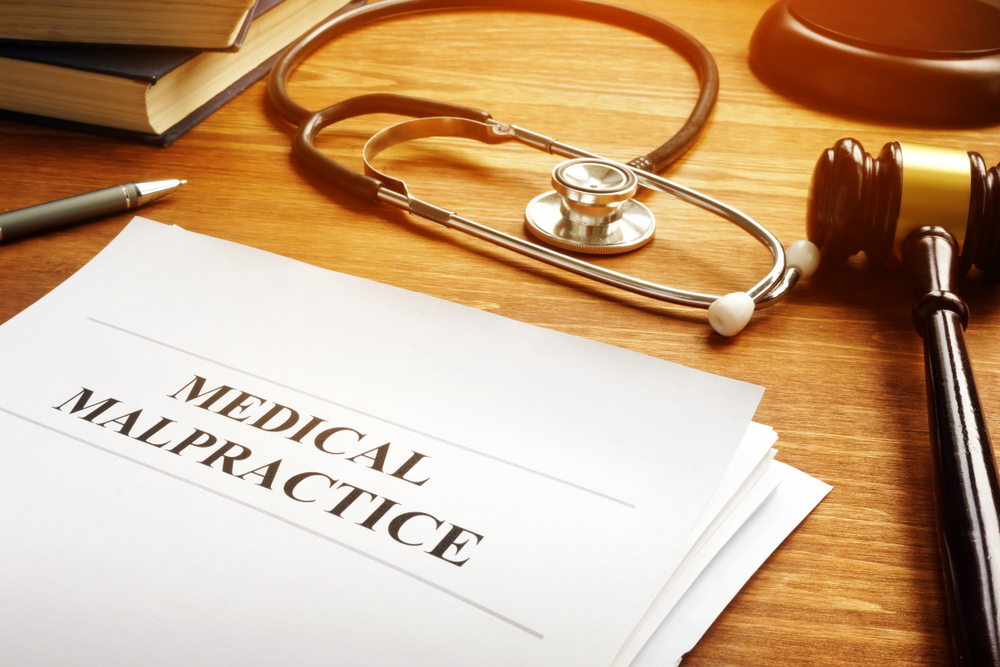
Medical malpractice cases are different from most injury claims. They do not focus on obvious mistakes. Instead, they examine whether medical care met accepted professional standards. Because these questions involve complex medical decisions, courts often rely on medical expert testimony to explain what happened and why it matters.
In most malpractice cases, expert testimony serves as the foundation for judges and juries to understand medical records, treatment decisions, and the standard of care involved. This article explains the role of medical expert witnesses, how they support malpractice claims, and what West Virginia law requires before a case can move forward.
Why Courts Rely on Medical Experts in Malpractice Claims
Medical malpractice cases ask jurors to evaluate decisions made by trained medical professionals. Most jurors do not have medical backgrounds, and many treatment choices are not clearly right or wrong on their face.
Medical expert testimony helps by explaining how medicine is practiced in real clinical settings. Experts provide context about accepted procedures, treatment options, and professional judgment. Their role is not to decide the case, but to help the jury understand whether the care provided followed medical standards.
Without expert testimony, it is often difficult for a court to evaluate whether a medical provider acted reasonably under the circumstances.
What a Medical Expert Witness Actually Does
A medical expert witness reviews the facts of a case from a professional medical perspective. This typically includes examining medical records, test results, treatment notes, and timelines.
The expert explains how medical decisions are typically made and whether the care provided aligns with accepted medical practices. They may testify during depositions or at trial to clarify complex medical issues in plain language.
Importantly, a medical expert does not determine liability. Their role is to offer informed medical opinions that help the court understand the evidence.
Who Can Qualify as a Medical Expert Witness
Not every medical professional qualifies as an expert witness in a malpractice case. Courts look for specific credentials and experience.
To qualify, a medical expert typically must:
- Hold a valid medical license
- Have relevant training or specialization related to the case.
- Actively practice medicine or teach in their medical field
- Be familiar with the standard of care applicable at the time of treatment
Courts also evaluate whether the expert’s background closely matches the defendant’s medical specialty. This helps ensure that testimony reflects real-world medical expectations.
How Medical Experts Help Prove a Medical Malpractice Claim
Medical expert testimony plays a key role in establishing the core elements of a malpractice case.
Establishing the Medical Standard of Care
Experts explain what a reasonably skilled medical provider would have done in similar circumstances. This standard of care becomes the benchmark for evaluating the defendant’s actions.
Showing How the Standard Was Breached
Once the standard is established, the expert compares it to the care actually provided. This helps identify whether errors, omissions, or poor judgment occurred.
Explaining Causation
Experts also address whether the breach of care caused the patient’s injury. This step connects the medical mistake to the harm suffered.
Clarifying the Impact on the Patient
Medical experts may explain long-term effects, future treatment needs, or permanent limitations resulting from the injury.
Different Types of Medical Experts Used in Malpractice Cases
Some malpractice cases require more than one expert, depending on the issues involved.
Common types of medical experts include:
- Treating physicians who provided care
- Specialists in the same medical field as the defendant
- Independent reviewing experts
- Experts who focus on future medical needs or prognosis
Each expert addresses different aspects of the case, helping the court see the full medical picture.
Are There Situations Where Expert Testimony May Not Be Required?
In rare cases, expert testimony may not be necessary when negligence is obvious to a layperson. Examples include leaving surgical instruments inside a patient or operating on the wrong body part.
These situations are uncommon. Most medical malpractice claims involve complex medical judgment, making expert testimony essential. In West Virginia, expert involvement is usually required even before a lawsuit is filed.
West Virginia’s Certificate of Merit Requirement Explained
West Virginia law requires plaintiffs to obtain a screening certificate of merit before filing a medical malpractice lawsuit. This requirement is outlined in West Virginia Code §55-7B-6.
The certificate serves as an early review of the case by a qualified medical expert. It helps confirm that the claim has medical support before entering the court system.
The certificate must be completed and served at least 30 days before filing a lawsuit, except in limited circumstances.
What Must Be Included in a West Virginia Certificate of Merit
The screening certificate of merit must include specific information provided by a qualified medical expert:
| Required Element |
Explanation |
| Expert qualifications |
How the expert meets state requirements |
| Standard of care |
The accepted medical practices involved |
| Breach explanation |
How the provider failed to meet the standard |
| Causation |
How the breach caused the injury |
Why Timing and Expert Selection Matter in Malpractice Cases
Medical malpractice claims follow strict legal procedures, and timing is critical. Deadlines for expert review and required filings must be met precisely. If these steps are missed or handled late, a claim can be delayed or dismissed before the court ever reviews the medical issues involved.
Selecting the right medical expert is just as important. The expert must have relevant experience, proper credentials, and knowledge of the applicable standard of care.
Early legal guidance helps ensure the expert review process is completed correctly, strengthening the case and reducing avoidable risks as it moves forward.
Frequently Asked Questions
Why is expert testimony required in medical malpractice cases?
Expert testimony explains medical standards, treatment decisions, and professional judgment that jurors cannot reasonably assess without specialized medical knowledge.
Is expert testimony mandatory in West Virginia?
West Virginia generally requires expert involvement before filing a malpractice claim through the screening certificate of merit process.
Who pays for medical expert witnesses?
The party retaining the medical expert is typically responsible for paying expert review, preparation, and testimony fees.
What happens if the certificate of merit is missing?
If the certificate of merit is not properly filed, the court may dismiss the malpractice claim on procedural grounds.
Can expert testimony be challenged?
Yes. The defense may challenge an expert’s qualifications, methodology, or opinions during pretrial motions or at trial.
Conclusion
Medical expert testimony plays a central role in medical malpractice cases. From explaining standards of care to supporting the certificate-of-merit requirement in West Virginia, expert involvement helps courts fairly evaluate complex medical issues.
If you believe medical negligence may have caused harm, speaking with a knowledgeable attorney early can help protect your rights. A West Virginia medical malpractice attorney can review your situation, coordinate expert evaluations, and guide you through the legal process.
Contact Manchin Injury Law today to schedule a free consultation and learn how we can help you take the next step.