
Medication errors are one of the most dangerous forms of nursing home neglect. Elderly residents often rely on multiple daily medications to manage chronic conditions, and even a single mistake can cause serious injury, sudden health decline, or life-threatening complications.
As nursing home populations continue to grow, families are learning that medication errors in nursing homes are rarely isolated incidents. Many result from understaffing, poor supervision, rushed medication routines, or breakdowns in safety systems meant to protect vulnerable residents.
This guide explains how nursing home medication errors occur, when they may rise to the level of abuse or neglect, and what steps families can take to protect their loved ones. When harm is involved, a Fairmont medical malpractice lawyer can help families determine whether legal action is appropriate.
Most nursing home residents take several medications every day. These often include drugs for heart conditions, blood pressure, diabetes, pain, or mental health concerns.
Managing multiple medications safely takes time and attention. Unfortunately, many nursing homes are understaffed or rely on rushed care routines. When caregivers are stretched thin, mistakes become more likely.
Cognitive impairments such as dementia, aphasia, or confusion also make residents more vulnerable. They may not understand what medication they are receiving or be able to report side effects or discomfort.
A medication error is a preventable mistake involving prescription drugs that causes harm or puts a patient at risk. In nursing homes, these errors can occur during medication ordering, preparation, administration, or monitoring.
Most nursing homes use a process known as a “med pass.” During a med pass, a nurse or supervised caregiver moves room to room delivering medications on a set schedule. The process involves preparing medications, giving them to residents, documenting the dose, and monitoring for side effects
Medication errors can occur at any point in this process. Studies show they most often happen during ordering and monitoring, when changes in condition are missed, or drug interactions are overlooked.
Important: Even though some states allow a limited margin for error, repeated or serious medication mistakes are not acceptable and may signal neglect or abuse.
Medication mistakes in nursing homes often go unnoticed or unreported. Some of the most common nursing home medication mistakes include:
These medication errors may seem minor at first, but for elderly residents, the consequences can be severe.
Not every medication mistake automatically qualifies as abuse. However, medication errors become nursing home abuse or neglect when they result from ongoing failures, unsafe practices, or disregard for resident safety.
This may include situations where:
Overmedication is a serious concern in many facilities. Some nursing homes misuse sedatives or antipsychotic drugs to control behavior rather than treat medical needs. This practice can increase the risk of strokes, heart problems, falls, and premature death.
Families are often the first to notice when something is wrong. Sudden changes in behavior or health may be signs of medication errors in nursing homes.
Watch for:
If these signs appear shortly after a medication change or dose adjustment, it is important to ask questions and request a medical review immediately.
A single person rarely causes medication errors in nursing homes. Responsibility may rest with multiple parties depending on how the error occurred.
Potentially responsible parties include:
| Party Involved | Possible Role |
| Nursing staff | Incorrect administration or poor monitoring |
| Supervisors | Lack of training or oversight |
| Facility management | Understaffing or unsafe policies |
| Pharmacy providers | Dispensing or labeling errors |
| Corporate owners | Cost-cutting that affects care quality |
Identifying responsibility is important because it determines who may be held legally accountable for the harm caused.
If you believe a loved one has been harmed by a nursing home medication error, taking prompt action can protect their health and preserve important evidence.
Start with these steps:
Early action can prevent further harm and help hold negligent facilities accountable.
Common medication errors include wrong dosages, missed or late doses, harmful drug interactions, improper pill handling, and failure to monitor residents after medications are given.
Yes. When medication errors happen repeatedly, are ignored, or result from unsafe practices, they may legally qualify as nursing home abuse or neglect.
State health departments, licensing agencies, and long-term care ombudspersons typically investigate complaints involving medication errors and safety violations in nursing homes.
Families should request medication administration records, physician orders, pharmacy records, incident reports, and nursing notes related to the resident’s treatment and care.
Yes. If medication errors caused harm due to negligence or neglect, families may have the right to pursue a nursing home abuse claim.
Medication errors in nursing homes are not just mistakes. In many cases, they are signs of deeper care failures that put residents at serious risk.
Families who understand the warning signs and know how to respond are better equipped to protect their loved ones. When medication errors result from neglect or unsafe practices, nursing homes can and should be held accountable.
If your loved one may have suffered harm due to a nursing home medication error, our law firm offers a free consultation to help you understand your rights and next steps. Speaking with an experienced nursing home abuse attorney can provide clarity and support during a difficult time.
Member at Manchin Injury Law Group
Practice Area: Personal Injury
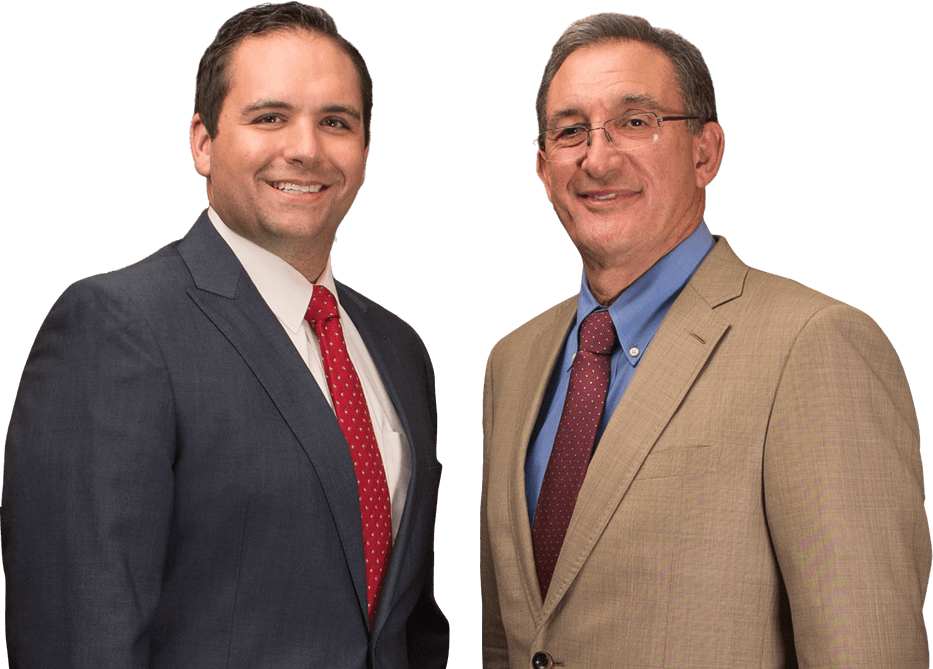
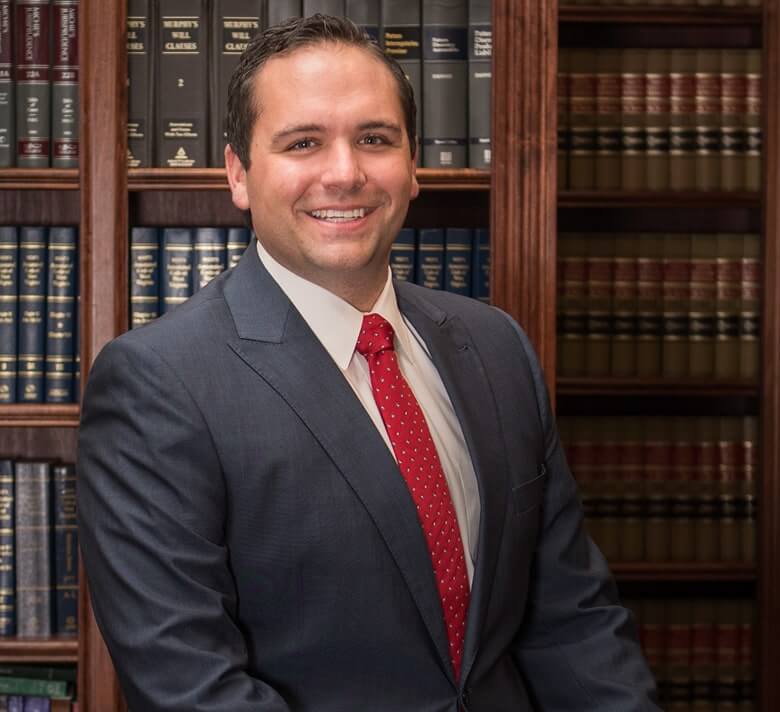
Attorney Timothy Manchin established the Manchin Injury Law Group in 2011 after his law partner of more than 25 years became a West Virginia circuit court judge. His focus is on helping individual clients and entire families victimized by negligent acts.
We offer free initial consultations at our 3 office locations conveniently located in Fairmont, Morgantown and Martinsburg.
If you are unable to visit our firm, we can come to your home or hospital room.
Fill out the form below to get in touch!